
Health.
Menstrual products, health education, peer support and structured referrals. Ask about access for yourself, a young person or your school.
Ask about health supportDispenser sites
Find support
- Who it is for
- Adolescents and young people seeking menstrual health information, products, peer support or referrals. Parents and schools can also enquire.
- Where
- Ruaraka schools and Kenyatta University. See our dispenser sites.
- Get in touch
- info@wazikenya.org or +254 755 819 889. Tell us your school or area and the support you need.
What the programme does
Non-communicable diseases
Lifestyle education, screenings and expert-led sessions on hypertension, diabetes and nutrition-related conditions affecting young people.
Sexual and reproductive health
Sexual and reproductive health and rights (SRHR): safe spaces, sexuality education, information and products, plus referrals to health facilities and gender-based violence (GBV) support services. This work is part of the dispenser model and the AYP curriculum.
Mental health
Peer support spaces, awareness sessions and structured referrals to counsellors, health facilities and community support systems, with Paper Hearts Foundation.
Health works towards Sustainable Development Goal (SDG) 3, with SDGs 4 and 5.
The Wazi Dispenser Model
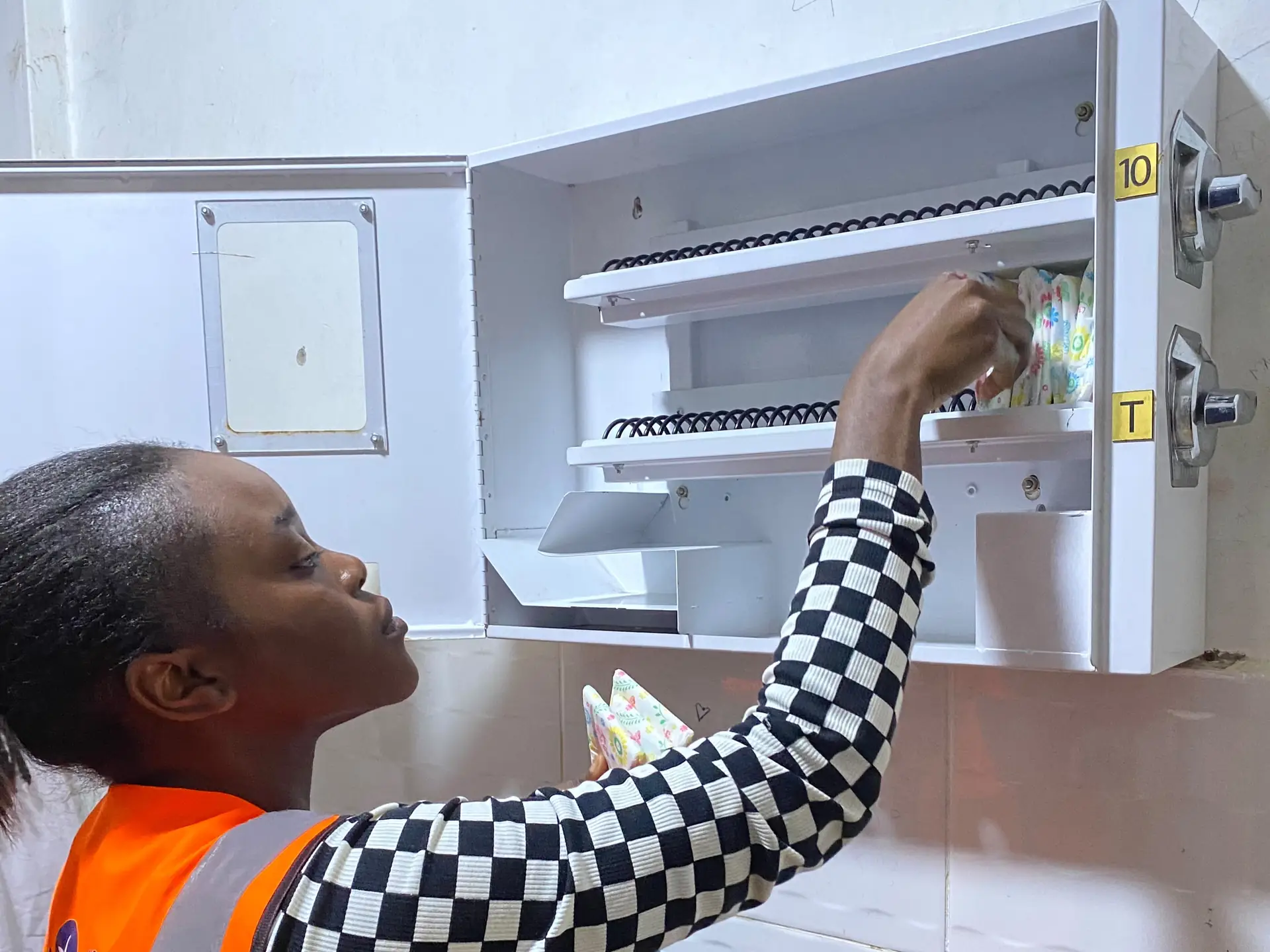
We began the model in 2021 in response to gaps in menstrual product access. Be Kids Australia funded a low-cost, low-technology pilot at Kenyatta University through the Soko Mjinga Youth Leap Enterprise Grant. Phase 2 extended it to six Ruaraka schools and one additional university.
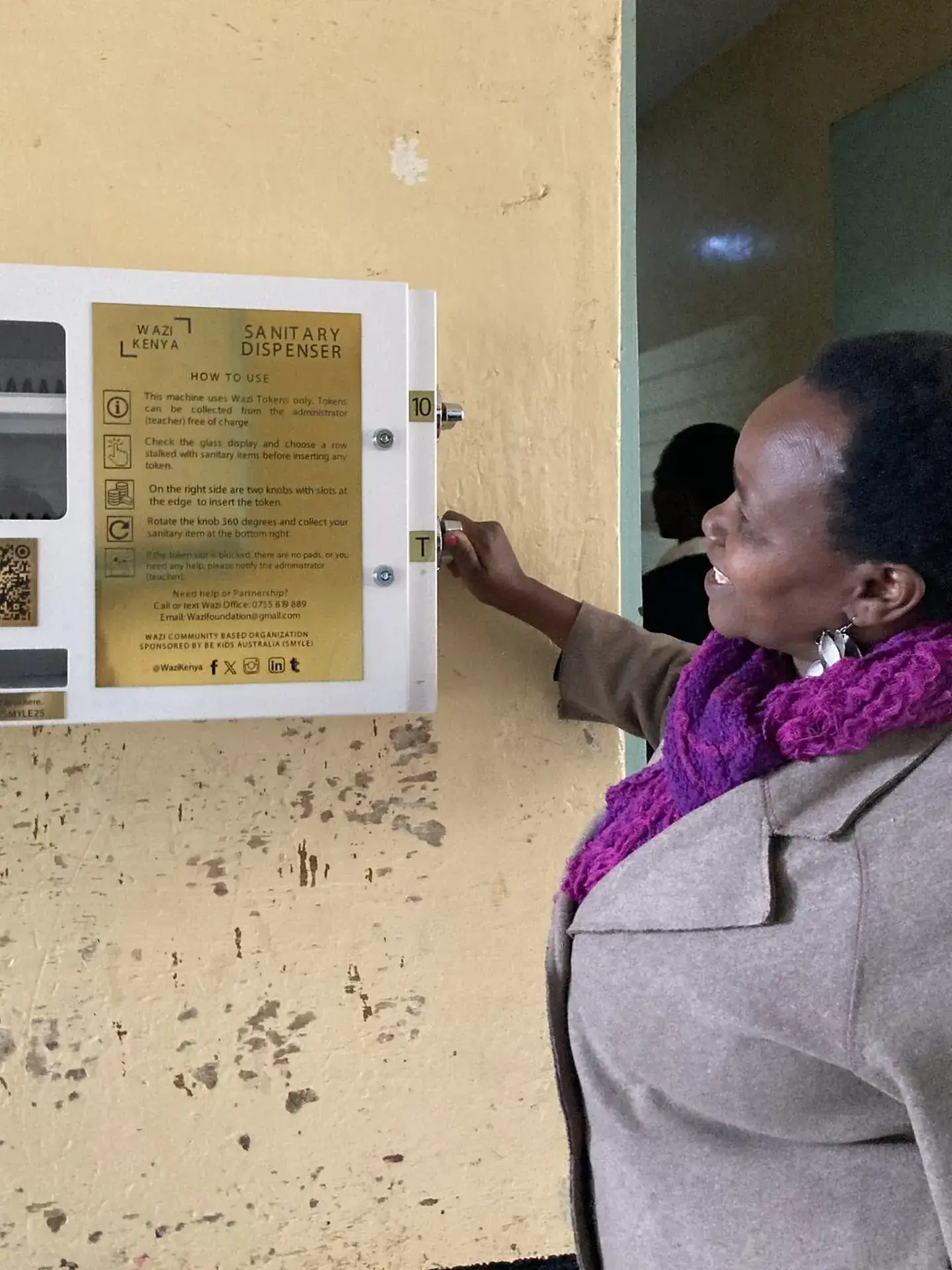
Two access tracks
- Cash: KES 10 per pad and KES 20 per tampon.
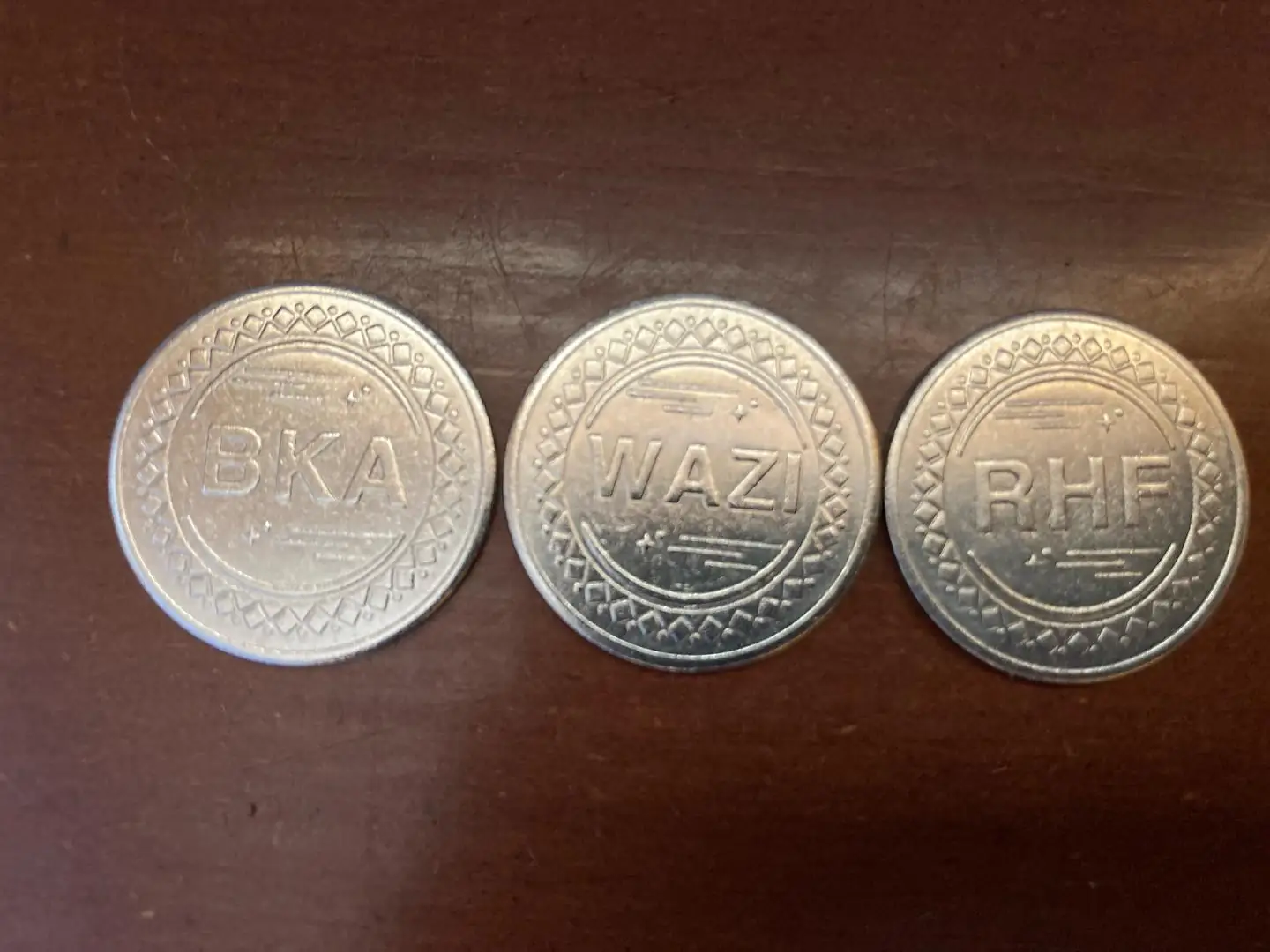
- Tokens: a free track that prioritises vulnerable users.
School dispenser sites
In our SMYLE Phase 2 update of 20 March 2026, we shared dispenser installations at these six Ruaraka schools:
- Ngunyumu Comprehensive
- St. Johns Korogocho
- Tortola Rescue
- Blessed Teresa of Calcutta
- Baba Dogo Secondary
- Chandaria Comprehensive
Our sites also include the pilot at Kenyatta University and one further university. Read the SMYLE Phase 2 update.
Ask us about stock, opening times and public access before visiting a site. Contact our team.
Our reach
Installed dispensers, direct users and potential reach each describe a different part of our work.
- dispensers across 8 institutions
- 13
- Our university pilot and later school and university installations.
- direct users
- 1,500+
- People who have used our dispensers.
- potential reach
- 30,000+
- The wider university and school ecosystem. This is potential reach, not a count of direct users.
Research and sustainable practice
Beyond Access
Research on menstrual health attitudes and practices with 1,400+ respondents. Our 2024 paper, Sustainable Menstrual Health Approaches for Grassroot Initiatives in Kenya, is on SSRN. Read the paper on SSRN.
Menstrual health principles
The Innovating Dignity seminar at American Corner Moi University in December 2025 produced eight principles: knowledge and education, access and affordability, product choice, WASH infrastructure, health and clinical care, inclusion and rights, innovation and youth leadership, and governance and accountability. WASH means water, sanitation and hygiene.
Green the Red
Deliberation to Action for Sustainable Menstrual Practices, 2025 to 2026, is funded by the European Union and the Big 6 through Global Youth Mobilization. It covers sustainable product use, waste management, access and affordability, and behavioural change. See the environment connection.
Health partners
- Be Kids Australia
- KU Centre for Gender Equity and Empowerment
- KU Women's Economic Empowerment Hub
- Paper Hearts Foundation
- European Union
- Global Youth Mobilization
Stock a school dispenser
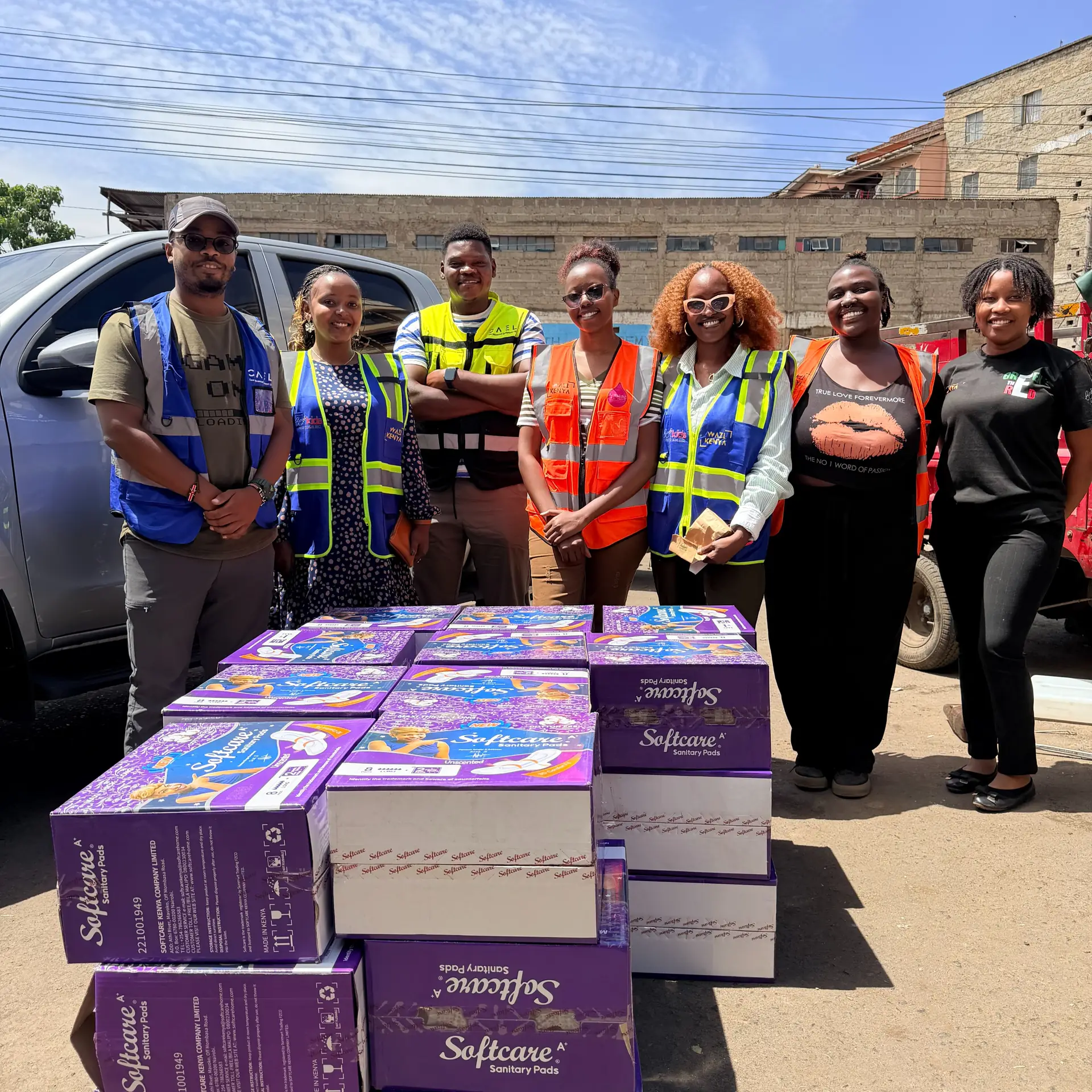
KES 8,500 a term covers five cartons of pads. KES 25,500 stocks one institution for a year. You can support the menstrual products of a school-going girl from KES 200 a month.
See giving amounts and payment routes, or ask about adopting a dispenser.
Ask about health support.
Contact Wazi about a dispenser, a session or a referral, or help keep a school stocked.